U.S. forces have destroyed at least 16 Iranian mine-laying vessels in the Strait of Hormuz after Iran vowed to continue to target oil supplies.
Iran’s Islamic Revolutionary Guard Corps (IRGC) released a statement earlier this week declaring it would prevent even “one litre of oil” from leaving the region if U.S. and Israeli attacks under Operation Epic Fury continued.
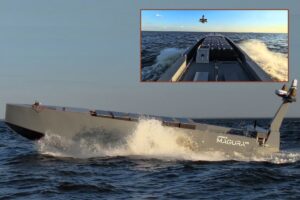
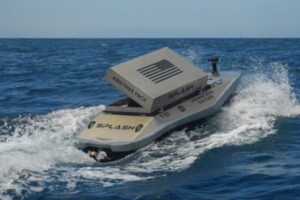
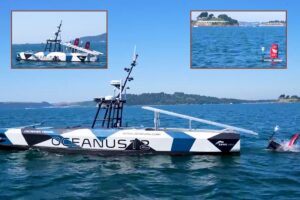
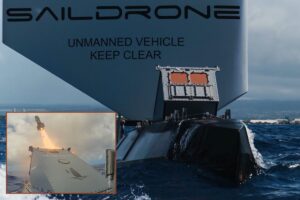
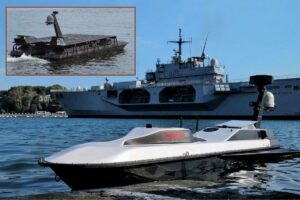
Overnight two tankers caught fire in Iraqi waters as Iran increased attacks on oil and transport facilities across the Middle East. It is thought they were attacked by uncrewed surface vehicles (USVs) armed with explosives.
The United Kingdom Maritime Trade Operations (UKMTO) Centre’s latest update today (Thursday) said that between February 28 and March 12, it had received 20 separate reports of incidents affecting vessels operating in and around the Arabian Gulf, Strait of Hormuz (SOH) and Gulf of Oman, including 16 attacks on shipping.
The ongoing military operation has sparked massive volatility in oil prices, prompting fears of rising inflation and severe adverse impacts on economies around the world. Today the price of oil again topped the watershed $100-per-barrel mark; an IRGC spokesman warned the West should prepare for “$200 per barrel”.
Before hostilities broke out roughly 20 per cent of global oil supplies passed through the Strait of Hormuz, which connects the Persian Gulf with global sea routes. The northern shore is all Iranian territory, and the strait is a chokepoint about 20 miles wide, with shipping channels about two miles wide in each direction at their narrowest points.
Earlier this week President Trump posted on social media that he wanted any mines laid in the Strait of Hormuz “removed immediately” and at a Pentagon briefing Secretary of Defence Pete Hegseth pledged that if “Iran does anything to stop the flow of oil within the strait of Hormuz, they will be hit by the United States of America 20 times harder than they have been hit thus far.”
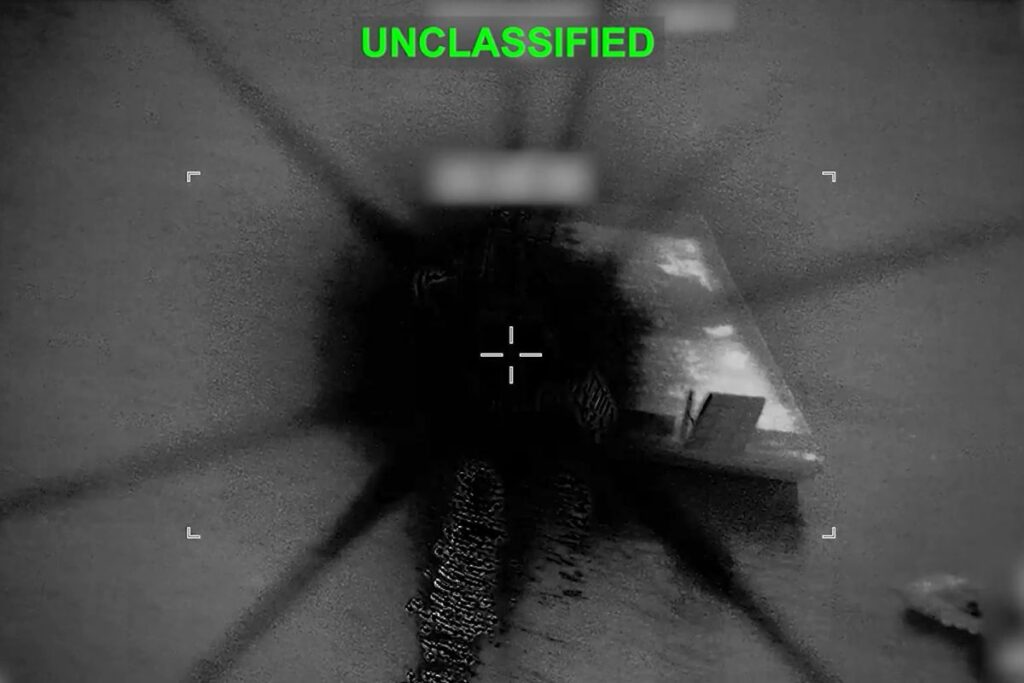
U.S. Central Command (CENTCOM) released footage of U.S. forces eliminating multiple Iranian naval vessels on Tuesday, including 16 minelayers near the Strait of Hormuz.
However, a media report citing unnamed intelligence sources has claimed that Iran has laid a few dozen mines in the strait in recent days and has the capability to sow hundreds more.
Asked about the previously mooted possibility of the U.S. Navy escorting vessels through the strait, at a Pentagon briefing U.S. chairman of the Joint Chiefs of Staff General Dan Caine said: “We’re looking at a range of options there.”
Talking about the ongoing naval mission, he said more than 50 Iranian Navy ships had now been “taken out” and added “CENTCOM continues today to hunt and strike mine-laying vessels and mine storage facilities. This work will continue.”
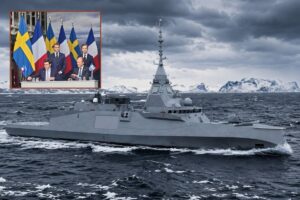
French President Emmanuel Macron said France was considering escorting commercial ships through the strait “after the most intense phase of the conflict has ended”; the nation is sending a fleet of about a dozen naval vessels to the area.
French Navy aircraft carrier Charles de Gaulle arrived off Cyprus at the weekend at the head of its Carrier Strike Group (CSG). Royal Navy destroyer HMS Dragon; Dutch air defence frigate HNLMS Evertsen; Italian Navy FREMM frigate Federico Martinengo; and Hellenic Navy FDI frigate HS Kimon have also arrived or are en route.
- You can read more Operation Epic Fury updates on CENTCOM’s X account and details of the latest shipping incidents on the UKMTO website