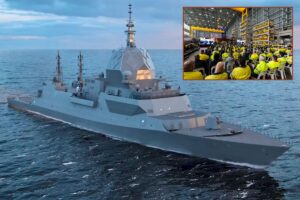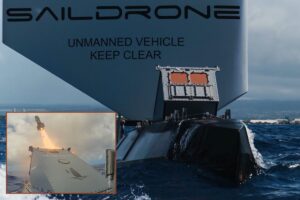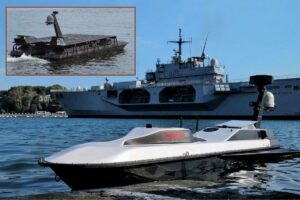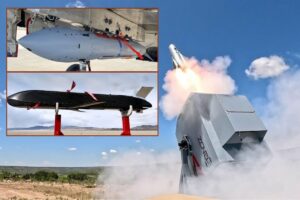
The Royal Netherlands Navy (RNLN) is teaming up with European aerospace and defence tech firm Destinus to develop low-cost drone interceptors for its ships.
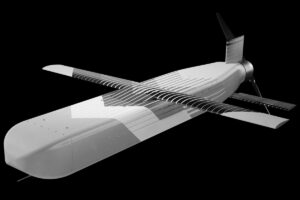
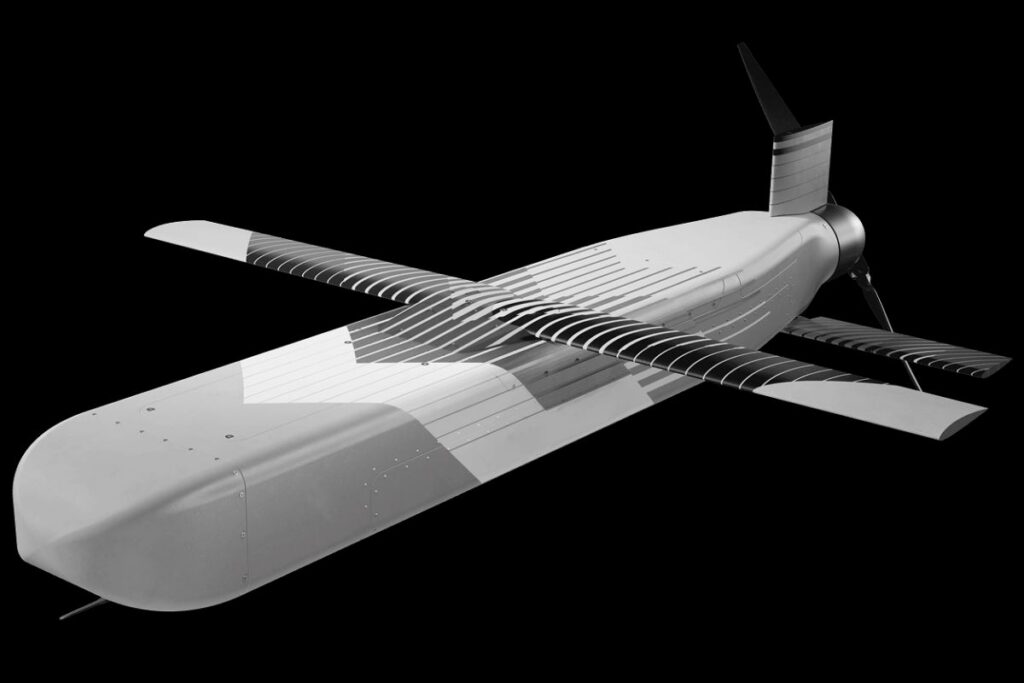
The Netherlands Ministry of Defence and Destinus will develop the company’s Hornet B2 interceptor into a counter-uncrewed aerial system (C-UAS) capability for its naval vessels.
The Ministry of Defence’s Materiel and IT Command, COMMIT, has signed a contract with Destinus to launch a Concept Development & Evaluation (CD&E) programme for a kinetic C-UAS capability.
The Hornet interceptor is fired like a missile from a canister and deploys wings once launched to fly towards a target under electric power. It carries a 3kg explosive payload and has a range of more than 90 miles.
Optimised to counter subsonic aerial threats, it can also be deployed as a strike weapon against surface targets on land or sea. It is capable of AI-coordinated swarm operations and targets can be allocated dynamically, as per the manufacturer.
Destinus says its Hornet B2 “combines missile-class launch readiness with aircraft-class range and endurance, while targeting a cost per engagement far below that of traditional interceptor missiles.”
It noted: “Premium missiles provide the performance required against the most demanding threats.
“Hornet B2 is being developed as an additional layer for lower-cost aerial threats arriving in volume, where repeatedly using high-end interceptors creates an increasingly difficult operational and economic trade-off.”
And it added: “RNLN operators will be involved directly throughout the CD&E programme.
They will contribute operational expertise and help shape the capability requirements and system specifications as Hornet B2 is developed for the naval environment.”
As per an RNLN statement: “The threat of medium-range drones is increasing. This is evident from both operational analyses and the current threat landscape during maritime operations.
“Naval units therefore require additional resources to defend themselves effectively as a fleet.”
It’s anticipated that the first operational systems will be deployed on RNLN vessels during 2027.
- You can read more details on the Destinus website and the RNLN website