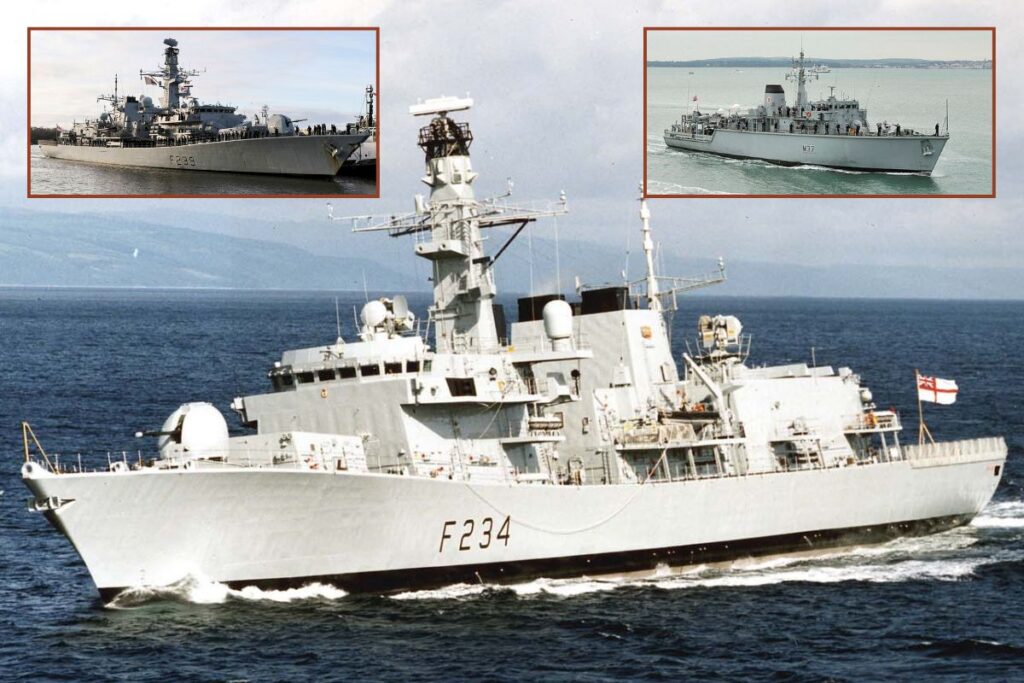
Type 23 frigates HMS Iron Duke and HMS Richmond and minehunter HMS Chiddingfold are all to be withdrawn from service, the Royal Navy has confirmed.
The news means the RN currently has only four operational frigates in service: HMS Portland, HMS Somerset, HMS St Albans and HMS Sutherland.
HMS St Albans is due for imminent deployment in the North Atlantic; she is scheduled in the next few weeks to officially relieve her sister ship, HMS Somerset, on the ongoing Towed Array Patrol Ship (TAPS) mission.
HMS Portland returned to sea at the start of July after defect rectifications. She and HMS Somerset are the two Type 23s currently equipped with the Naval Strike Missile.
HMS Sutherland was recently in the news when she was involved in the seizure of Russian shadow fleet tanker MV Smyrtos in the English Channel in mid-June.
HMS Kent, while technically active, is currently undergoing a major power and systems refit at HM Naval Base Devonport. She is not available for front-line operations; some of her crew have reportedly been transferred to other vessels.
It was announced in December 2025 that HMS Lancaster, formerly deployed forward in Bahrain, will be decommissioned and subsequently disposed of in the Middle East.
Hunt-class mine countermeasures vessel HMS Chiddingfold has also spent much of the past two decades operating out of Bahrain, helping deliver freedom of navigation through some of the world’s busiest and most strategically important waterways.
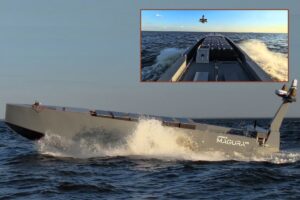
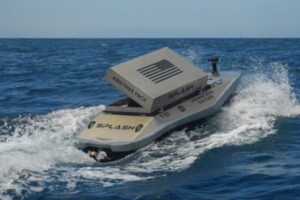
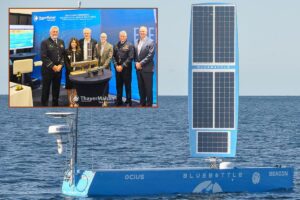
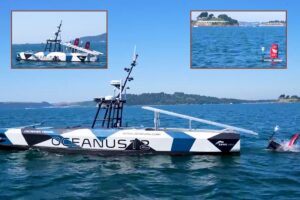
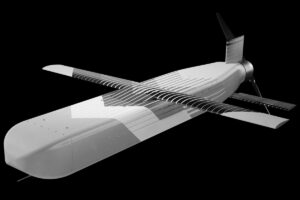
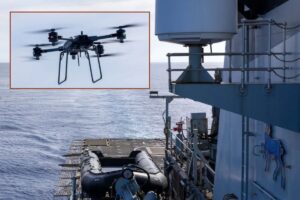
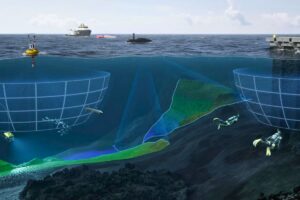
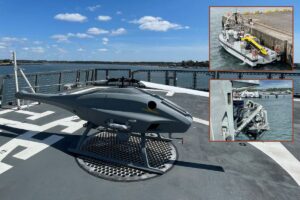
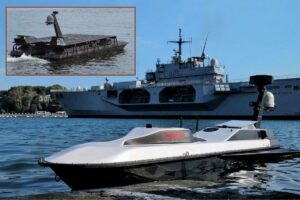
Her role is set to be taken on in future by assets in the RN’s £1.1 billion Mine Hunting Capability programme, including uncrewed systems under its Maritime Mine Counter Measures (MMCM) programme.
The first new Type 26 frigate, HMS Glasgow, is being built by BAE Systems; she is scheduled to be handed over to the Royal Navy in late 2026 for sea trials. The U.K. Ministry of Defence plans for the warship to officially enter active service and achieve Initial Operating Capability (IOC) during 2028.
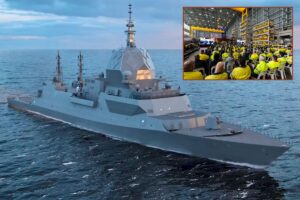
The first Type 31 frigate, HMS Venturer, being built by Babcock; she is scheduled to enter active service in either 2027 or 2028. In May 2025 she was rolled out of the build hall. She has since been floated off, had her mast attached, and is now undergoing final fitting out.
Commenting on the retirement of the three RN vessels, Fleet Commander Vice Admiral Steve Moorhouse said: “HMS Richmond, HMS Iron Duke and HMS Chiddingfold have each played a key role in safeguarding the U.K.’s security and interests worldwide. As they are retired from service, their legacy continues through the next generation of warships and advanced autonomous systems.
“This marks a significant step in the Royal Navy’s evolution towards a Hybrid Navy, combining cutting-edge technology with proven capability to meet future maritime challenges.
“We honour their service and look forward to the advantage the future fleet will provide.”
- You can read more details on the Royal Navy website