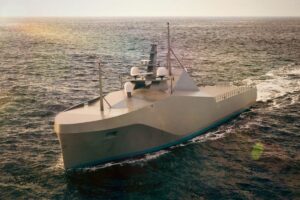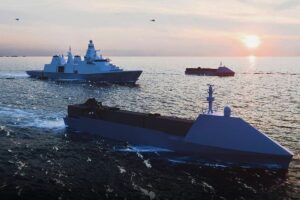
The Royal Navy’s first ever autonomous squadron has been officially launched as the force’s Hybrid Navy vision gathers momentum.
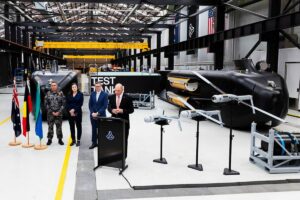
The 1st Autonomous Squadron (1AS) was formally commissioned in a ceremony on November 5 in His Majesty’s Naval Base Portsmouth, in front of more than 200 navy personnel, dignitaries, media, families and friends.
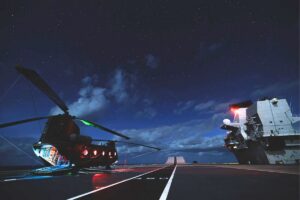
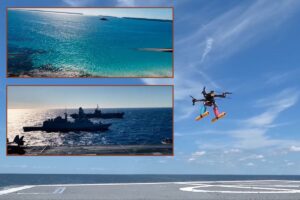
This followed hot on the heels of aerial drone testing from HMS Queen Elizabeth in the North Atlantic, with autonomous strike systems launched from a British aircraft carrier for the first time.
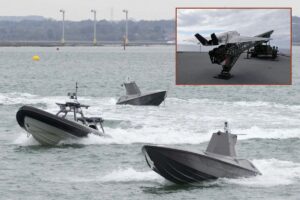
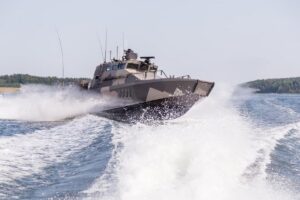
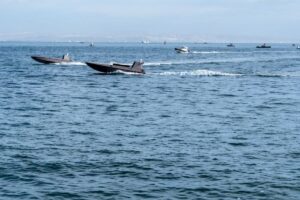
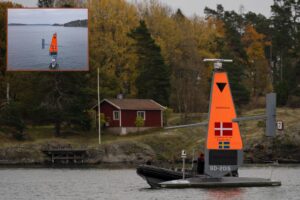
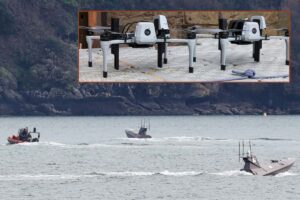
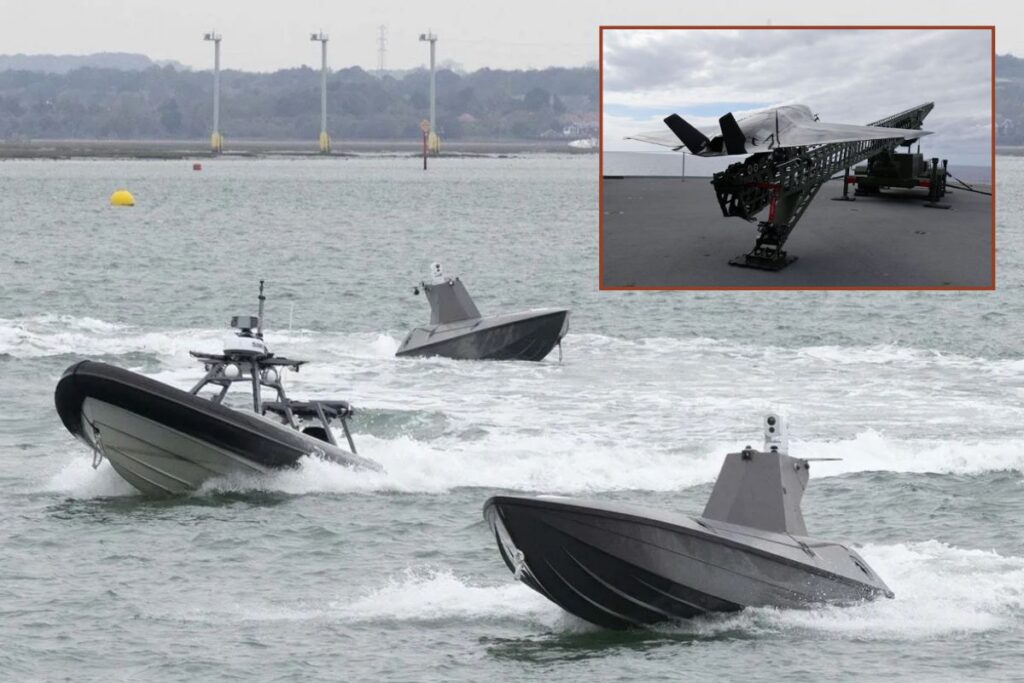
The 1AS commissioning included a Portsmouth Harbour demonstration of K3 Scouts and Rattlers, two of the uncrewed surface vessels (USVs) the squadron will operate.
Based in Portsmouth, its headcount of around 180 personnel is split into two watches to sustain 24-hour operations. 1AS replaces Project Beehive, the navy’s initial USV test programme.
Its launch comes ahead of a major allied gathering of military and political leaders in Oslo, Norway, this week: the Atlantic Future Forum and the International Sea Power Conference. Both will feature discussions on the future of Euro-Atlantic security, including the rapid development of technology.
Speaking at the 1AS launch Royal Navy Fleet Commander Vice-Admiral Steve Moorhouse commented: “The Royal Navy is doing something it has never done before… That makes this a genuinely historic occasion.”
He added: “The seas are becoming more contested, more dangerous and harder to operate in. A Hybrid Navy is about giving our people better tools. It means more reach, more striking power and more options.”
Commanding Officer of 1AS Commander Helen Coxon, said: “Today marks the start of something new for the Royal Navy, and I am proud to lead the people who will make it work.”
The squadron launch followed rapidly after the RN’s latest aerial drone trials in mid-October as the RN develops its future hybrid air wing.
In the Atlantic, British made Nyan Maritime one-way drones, manufactured in Wiltshire by Callen-Lenz, took off from HMS Queen Elizabeth’s flight deck, demonstrating how autonomous strike systems could operate alongside F-35B stealth jets.
And a Tekever AR5 fixed-wing uncrewed aerial system (UAS) also flew from a carrier for the first time, as part of the force’s Heavy Lift Challenge 3 initiative.
The 7m-wingspan drone can carry up to 80kg for logistics missions and can also be used for intelligence, surveillance, target acquisition and reconnaissance (ISTAR), working alongside strike systems.
Lieutenant Commander David Burton, trials sponsor for Navy Capability, said: “These trials give us the evidence and confidence to decide how uncrewed systems can work alongside crewed aircraft.
“The lessons will help us build a hybrid Navy that gives commanders greater choice and ensures our carriers remain at the cutting edge of naval warfare.”
- You can read more details on the Royal Navy website