Eight NATO allies came together to hone their anti-submarine warfare (ASW) skills in the shallow waters of the Baltic Sea on Exercise Dynamic Merlin 26.
Running off the coast of Sweden from November 9-13, the NATO Allied Maritime Command (MARCOM) serials were a continuation of its previous Dynamic Manta, Dynamic Mongoose and Playbook Merlin exercises.
Designed to test Allied warships against submarine, anti-ship missile and drone threats, the drills involved complex, multi-domain missions dependent on close coordination between surface ships, submarines, helicopters and maritime patrol aircraft.
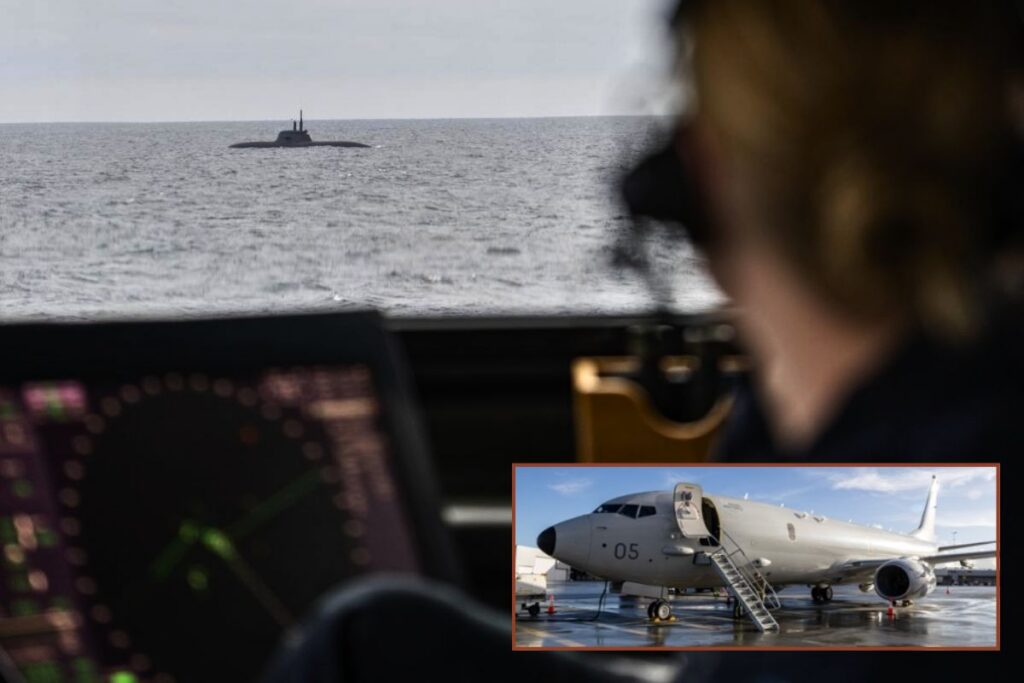
Surface ships from Standing NATO Maritime Group 1 (SNMG1), including vessels from Canada, Denmark, Finland, Germany, the Netherlands, and Sweden participated, as did maritime patrol aircraft (MPAs) from France, Germany, Sweden and the U.K.
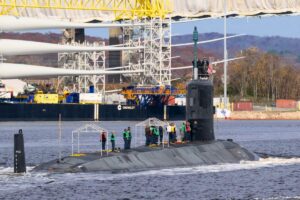
They were hunting two Allied submarines from Germany and Sweden, during the drills, which seek to continually improve how Allied forces detect, track and respond to underwater threats.
Commander Submarines NATO, U.S. Rear Admiral John Craddock, commented: “Exercise Dynamic Merlin 26 marks an important milestone in the evolution of NATO’s anti-submarine warfare training in the Baltic Sea.
“Having been conducted twice before as Playbook Merlin, the exercise is now formally incorporated into Allied Maritime Command’s established Dynamic series of exercises, alongside Dynamic Manta and Dynamic Mongoose. This progression reflects both the success of the previous iterations and the growing importance of strengthening our anti-submarine warfare capabilities in the Baltic Sea.
“It demonstrates NATO’s commitment to building on lessons learned, adapting to emerging threats and ensuring our Allied forces remain ready to operate together in one of Europe’s most strategically important maritime regions.”
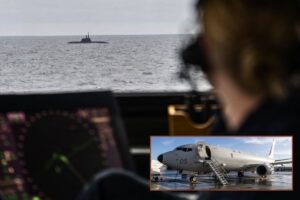
A Royal Air Force (RAF) officer commanding 120 Squadron, representing the British P-8A Poseidon MPAs involved in this month’s exercise, commented: “Dynamic Merlin provided an outstanding opportunity to train alongside our NATO partners in a challenging and demanding environment.
“Anti-submarine warfare relies on close cooperation between forces operating in the air, on the surface and beneath the sea. Exercises such as this allow us to develop those relationships, improve interoperability and ensure we remain ready to respond to emerging threats wherever they arise.”
- You can read more details on the MARCOM website and the RAF website