Babcock has announced the Air Weapons Handling System (AWHS) for the Royal Australian Navy’s new Hunter-class frigates has passed a key test.
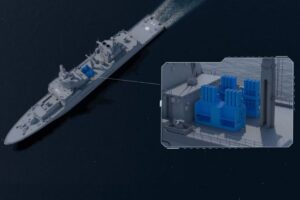
As per a Babcock Australasia press statement, the AWHS, which will stow and handle all air weapons on the new class of RAN warships, has passed its Critical Design Review (CDR).
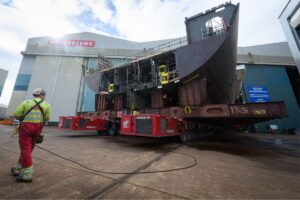
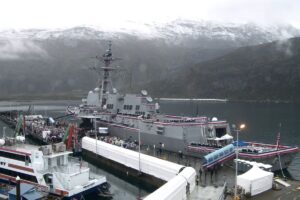
Overcoming this hurdle means moving to the production readiness and manufacturing stages of the cycle, helping the wider build programme stay on track. Construction work on the first boat, the future HMAS Hunter, began in June 2024 and the vessel is scheduled to be commissioned in 2034.
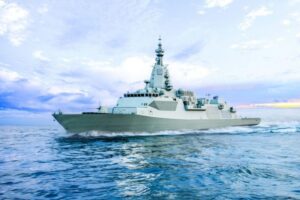
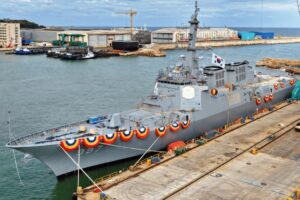
BAE Systems Maritime Australia won the contract to build the frigates at the Osborne Naval Shipyard, South Australia, as part of the nation’s Continuous Naval Shipbuilding programme. The frigates are a sister design of the Royal Navy’s new Type 26 frigates.
As well as the AWHS, Babcock has also been awarded a $30 million contract to supply stores lifts and food hoists on the RAN’s first three Hunter-class warships.
Babcock Australasia CEO Andrew Cridland commented: “In partnership with BAE Systems Maritime Australia, Babcock is proud to support the delivery of the Hunter class frigates — a critical addition to Royal Australian Navy’s future fleet.”
The result of the Future Frigate Programme which started back in 2009, initially eight and then nine ships were planned at an estimated cost of A$35 billion. The contract was awarded to BAE Systems in 2018; this was revised to an order for six Hunter-class frigates in February 2024.
The six warships are being built out in two batches of three; the names of the next two frigates, the Flinders and the Tasman, have also been announced, but timelines for their completion have not yet been released.
- You can read more details on the Babcock website