The Strait of Hormuz could soon reopen to commercial shipping after news emerged that the U.S. and Iran have agreed the terms of a peace deal.
As per reports coming out of America, Iran, and peace-brokers Pakistan, a framework agreement to end the war has been endorsed by both sides and an official signing ceremony is expected in Switzerland on Friday.
The signing of that Memorandum of Understanding (MoU) would also potentially see safe passage possible from that date through the Strait of Hormuz, and an end to the U.S. Navy’s counter-blockade of Iranian ports.
However, precise terms of the agreement remain unclear amid conflicting claims from the various parties involved.
A spokesman for Iran’s Supreme National Security Council claimed the deal meant that war and military operations on all fronts, including Lebanon, would end permanently from tonight (Monday).
Meanwhile, in a Sunday evening post on Truth Social, U.S. President Donald Trump announced the opening of the Strait and the removal of the US naval blockade:“Ships of the World, start your engines. Let the oil flow!”
He later added these developments depended on the signing of the MoU in Geneva. Media reports suggest the signing of that document will kick-start 60 days of further talks on a variety of issues including Iran’s nuclear programme.
News of the potential full reopening of the Strait of Hormuz saw stock markets soar and oil prices drop this morning. Since late February thousands of commercial sailors have been trapped in the Gulf; roughly a fifth of the world’s oil and gas supplies usually flow through the strategic chokepoint.
America has been blockading Iranian ports since April; last week the U.S. military struck three vessels in the strait. As of yesterday, U.S. Central Command (CENTCOM) said it had disabled nine vessels and redirected 142 more since the start of its blockade.
British Prime Minister Sir Keir Starmer said today (Monday) he hoped the peace deal would “restore freedom of navigation in the Strait of Hormuz.”
An Anglo-French-led mission involving over 40 nations has been prepared to help secure safe passage for commercial shipping in the region once a lasting peace deal was agreed.
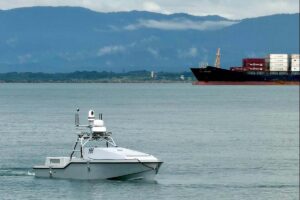
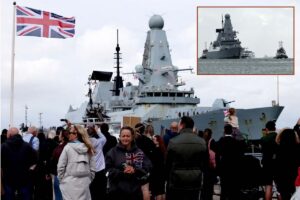
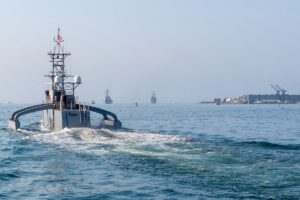
Royal Navy Type 45 destroyer HMS Dragon would play a role, having been deployed east of the Suez Canal earlier this month. Other British vessels earmarked to take part will include autonomous mine hunting and disposal systems, and uncrewed surface vessels (USVs) acquired under Project Beehive.
Bay-class Royal Fleet Auxiliary ship RFA Lyme Bay had sailed for the region, having spent the previous few weeks docked at the British naval base at Gibraltar being equipped as a minehunting mothership.
- You can read the latest CENTCOM updates on its X social media feed and IRIB updates on its X feed and more about the British assets being readied for a potential security mission on the Royal Navy website