The Defence Investment Plan (DIP) is finally being published today (Tuesday) setting out exactly how the U.K. will spend its increased defence funding.
The DIP, originally due last year, fleshes out the increased defence spending ambitions set out in last year’s Strategic Defence Review (SDR).
Behind-the-scenes wrangling over levels of funding caused repeated delays and earlier this month the eventual resignation of former Defence Secretary John Healey and Armed Forces Minister Al Carns.
Outgoing British Prime Minister Sir Keir Starmer, Defence Secretary Dan Jarvis and Chancellor Rachel Reeves were all at drone firm Malloy Aeronautics in Maidenhead, Berkshire, to unveil the DIP this morning. Defence Secretary Dan Jarvis is expected to deliver a ministerial statement on it directly to MPs in Parliament following the launch.
The DIP is anticipated to include the largest-yet drone investment for U.K. Armed Forces, totalling more than £5 billion over the next four years.
Sir Keir is expected to say: “This game-changing investment will strengthen our Armed Forces on land, at sea and in the air, ensuring our servicemen and women have the cutting-edge capabilities they need to deter evolving threats and keep the British people safe.
“At the same time, we are backing British innovation, British industry and British jobs and delivering opportunity to every corner of the country.
“Today’s Defence Investment Plan will help drive growth across the UK, giving our industrial base the confidence, certainty and support it needs to develop and scale the technologies that will keep our country safe and secure long into the future.”
And Mr Jarvis is expected to remark: “Our Armed Forces are serving at an increasingly dangerous and unpredictable time. We are determined to give them what they need as they serve with courage and exceptional skill to keep us safe.
“The character of warfare is rapidly changing. In Ukraine and the Middle East, uncrewed systems are defining conflicts. This largest ever UK investment into these evolving technologies will help our Armed Forces stay ahead of our adversaries, backed by the best of our defence industry.
“We are giving our extraordinary people the equipment they need to fight and win.”
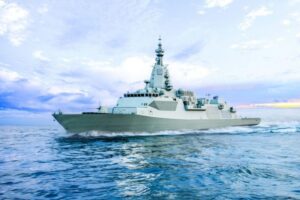
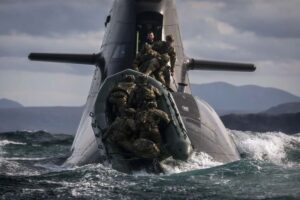
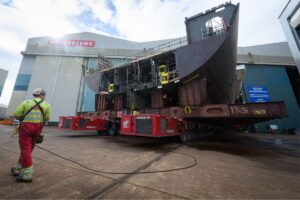
In the naval domain, spending plans will include already-known spending commitments including five Type 26 and eight Type 31 frigates, four new Dreadnought SSBN submarines and “up to 12” SSN-AUKUS class boats.
But it is also expected to set out plans to procure the following uncrewed platforms:
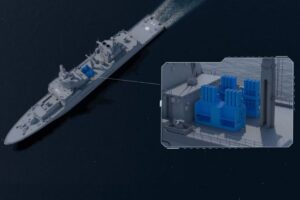
- Type 91 uncrewed missile barges;
- Type 92 uncrewed sensor platforms, principally for anti-submarine warfare (ASW) in the North Atlantic;
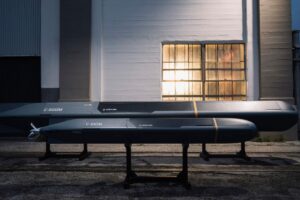
- Type 93 extra-large uncrewed underwater vessels (XLUUVs) to work alongside crewed subs;
- Type 94 uncrewed aerial sensing platforms; and
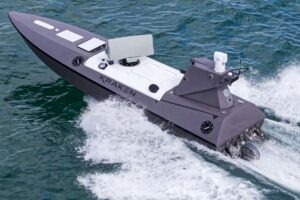
- More drones for Royal Marine Commandos, including uncrewed surface vehicles (USVs).
The DIP is also expected to confirm plans revealed on Saturday to acquire, in the 2030s, “at least six” Common Combat Vessels (CCVs) to replace the Type 45 destroyers and act as command-and control (C2) nodes for these uncrewed systems.
These CCVs are in place of the planned nut now axed Type 83 platforms previously envisioned. The DIP will also include details of what is now dubbed Project Pantheon — the development of a Hybrid Carrier Air Wing, including trialling jet-powered drones.
- You can read more details on the U.K. Government website